
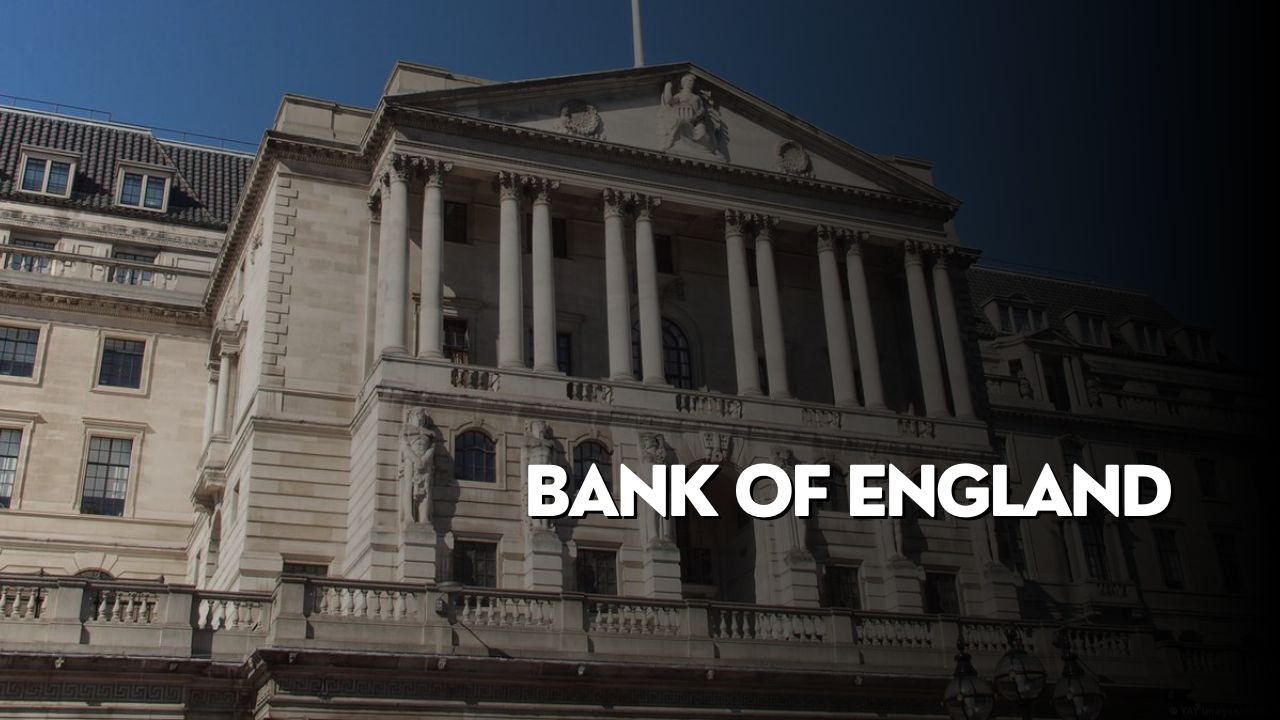
The Bank of England has awarded its 5,000 employees an average pay increase of 4% for the upcoming year, aligning with the current inflation rate. However, this decision comes despite the central bank’s own projections of a sharp decline in inflation within the next few months, as well as Governor Andrew Bailey’s previous calls for wage restraint among workers.
The Office for Budget Responsibility (OBR) has forecasted that the rate of price rises will drop below 2% in the near future. This prediction, coupled with the Bank’s chief economist Huw Pill’s controversial statement suggesting that Britons should accept being poorer following the energy crisis, has led to criticism of the Bank’s decision to grant substantial pay raises to its own staff.
The bank defended its decision, stating that it aimed to balance its budget constraints, the effective use of public funds, and the need to address the cost of living pressures faced by its employees. The UK has been grappling with soaring inflation, which reached a 40-year high of 11.1% in late 2022, largely due to the end of COVID restrictions and the impact of the Ukraine invasion on energy prices.
In an effort to curb inflation, the bank has raised interest rates from a record low of 0.1% to a 16-year high of 5.25% since December 2021. While this move has significantly impacted the economy, it has also raised hopes of interest rate cuts later this year as inflation is expected to return to the bank’s 2% target.
As the nation continues to navigate the economic challenges posed by the pandemic and geopolitical tensions, the Bank of England’s decision to grant its staff a 4% pay rise has sparked a debate about the fairness and consistency of wage policies during these uncertain times.