
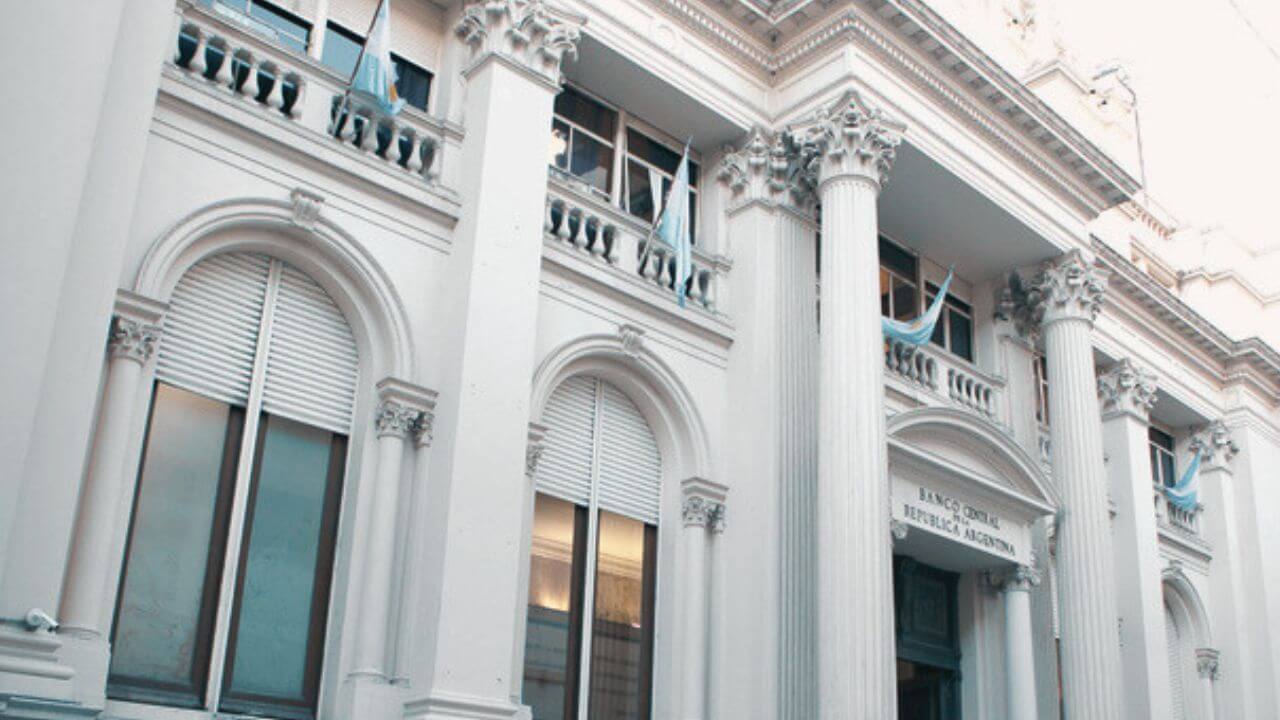
In a move that has stunned economists and policymakers alike, Argentina’s central bank has made the unexpected decision to slash its benchmark interest rate from a staggering 100% to 80%, even as the country continues to grapple with annual inflation rates exceeding a staggering 250%. The surprise rate cut comes amid tentative signs of cooling monthly inflation and a gradual strengthening of the peso against the US dollar in parallel markets.
Despite repeated warnings from the influential International Monetary Fund (IMF) to tighten monetary policy as a means to curb runaway inflation, Argentine policymakers have cited a range of factors to justify the controversial rate cut. Central among these is the steady rebuilding of the nation’s foreign currency reserves and a notable decline in the amount of money in circulation.
“While interest rates are being brought down, the amount of money in circulation has declined by a substantial 17% in inflation-adjusted terms since President Milei assumed office,” monetary authorities in Buenos Aires noted in a statement accompanying the surprise announcement late on Monday night.
This dovish policy move stands in stark contrast to the IMF’s explicit guidance in its most recent review of Argentina’s $44 billion emergency loan program. In that review, IMF staff emphasized the critical need for a significantly tighter monetary stance to bolster demand for the peso and accelerate the nation’s efforts to bring spiraling inflation under control.
According to estimates from economists surveyed by Bloomberg, Argentina’s national statistics agency is expected to release data on Tuesday showing consumer prices rose by a staggering 15% in February alone. While this would represent a continuation of the gradual cooling trend from the even higher levels of 21% in January and a dizzying 26% in December, it would also signal that annual inflation is likely to surge past the 280% mark.
The central bank’s controversial rate cut also comes at a pivotal moment for the embattled Milei administration, which is currently engaged in a high-stakes effort to restructure a massive portion of the country’s peso-denominated debt. The government is attempting to exchange as much as 55 trillion pesos (approximately $65 billion) of Treasury notes due for repayment this year for new bonds maturing between 2025 and 2028.
While there are tentative signs that monthly inflation is beginning to moderate and the peso is regaining some strength against the US dollar in parallel markets, these potential positives come at a steep cost. President Milei’s much-vaunted austerity measures have effectively wiped out social security spending and led to a dramatic erosion of real wages, which have now fallen to their lowest levels since 2003 when adjusted for inflation.
As Argentina continues to navigate this perfect storm of economic crises, the central bank’s unorthodox decision to slash interest rates in the face of hyperinflation has sent shockwaves through financial markets and reignited fierce debates over the appropriate monetary policy response. With the country’s inflation woes showing no signs of abating, all eyes will be on the release of February’s consumer price data and the government’s ongoing efforts to restructure its unsustainable debt burden.