
When a package arrives in the United States from overseas, it goes through a process with customs to ensure everything is compliant with local laws and regulations. After a successful inspection, you may come across the term “inbound out of customs” in your shipment tracking information. What does inbound out of customs mean? This is a significant update because it indicates that your package has cleared customs and is now on its way to you.
Understanding what “inbound out of customs” really means can help set your expectations on the delivery timeline of your international parcels. This status reflects that the items you’re eagerly awaiting have passed through the scrutiny of customs without any hitches. What happens next? Your shipment is transferred to the local sorting facility before being dispatched to your address, inching closer to the final step in its journey.
Understanding Customs Processing
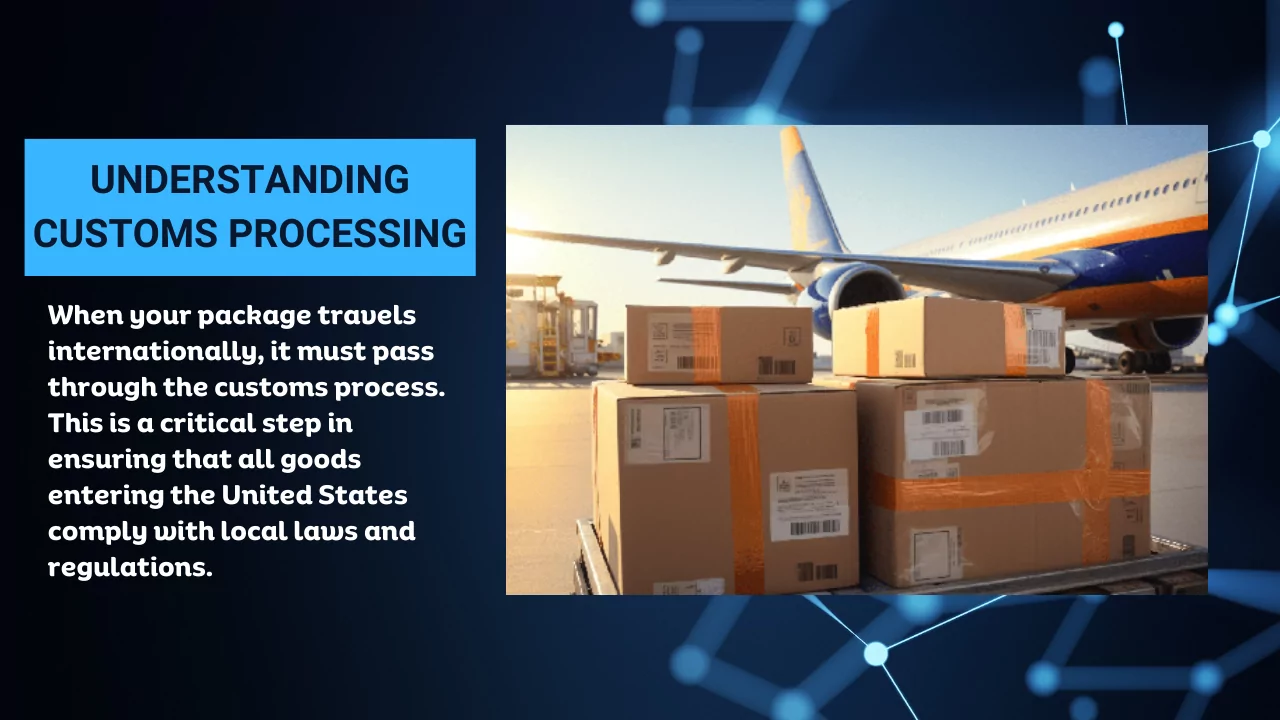
When your package travels internationally, it must pass through the customs process. This is a critical step in ensuring that all goods entering the United States comply with local laws and regulations.
Role of Customs Officials
Customs officials are responsible for managing the flow of goods in and out of the country. Their primary task is to enforce national security by preventing illegal items from entering. US customs officials diligently inspect packages, verify documentation, and collect applicable duties and taxes. This verification ensures that all items comply with local laws and protect the economy and residents.
Customs Clearance Procedures
The customs clearance process involves several steps. Initially, all incoming shipments are documented and assessed by US Customs:
- Documentation Review: Customs officials check the shipment’s paperwork, which typically includes a commercial invoice, a packing list, and a bill of lading.
- Inspection: The shipment may be physically inspected to verify contents against the provided documents.
- Duties and Taxes: If applicable, customs duties and taxes are calculated based on the value and type of goods being imported.
If processes are cleared without issues, the status “inbound out of customs” signifies that the package is cleared for entry into the U.S.
Common Customs Documentation
Essential documents play a crucial role in the customs process:
- Commercial Invoice: Details content, value, and the involved parties in the transaction.
- Packing List: Enumerates each item within the package.
- Bill of Lading or Air Waybill: Acts as a receipt of goods and contract of carriage.
For successful US customs clearance, ensuring accurate and complete documentation is imperative. At times, a customs broker may be utilized to facilitate the process, offering expertise and streamlining entry into the U.S. Additionally, you can also read Small Business Grants Memphis.
Tracking International Shipments
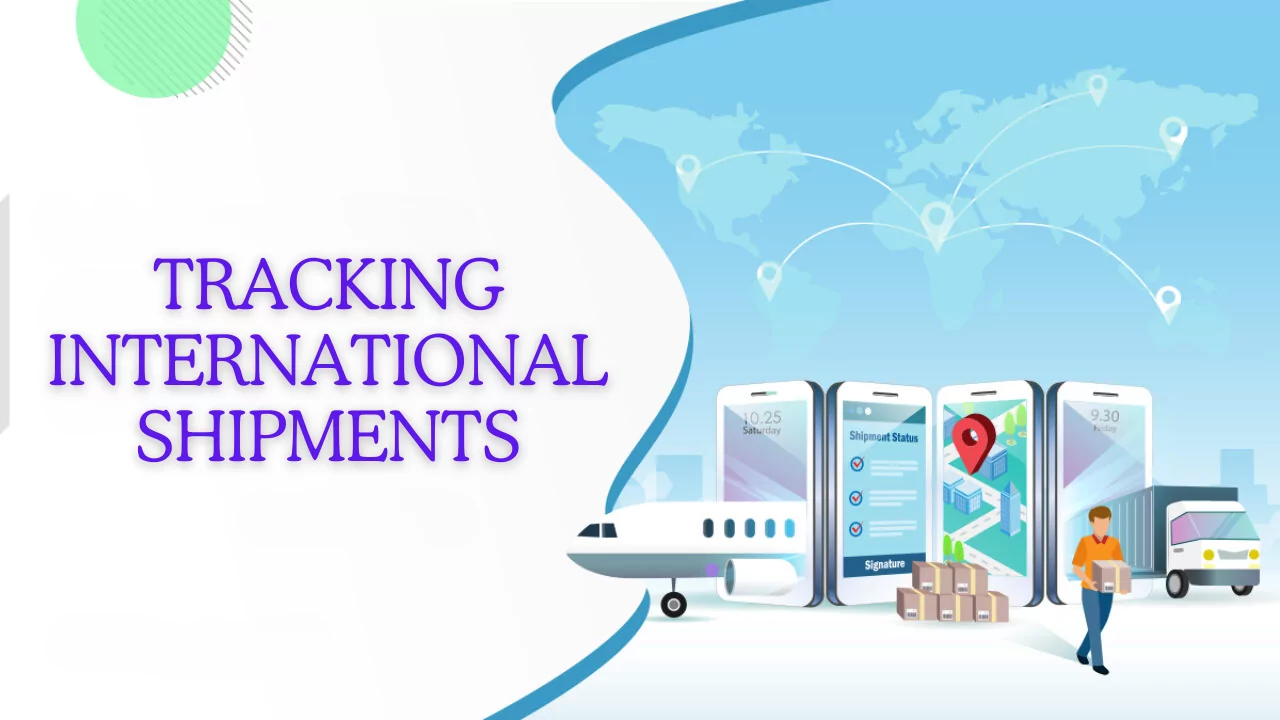
When you send or receive an international package, understanding each step it takes through the tracking system is crucial. Tracking your shipment gives you peace of mind and keeps you informed.
Interpreting Tracking Updates
When you check your tracking number, each update reflects a specific location and action taken on your package’s journey. A common update that might puzzle you is “Inbound Out of Customs,” which signifies that your shipment has cleared the necessary customs checks and is now back in the hands of the postal service for final delivery. Here’s how to interpret some key tracking statuses:
- In Transit: The package is moving between postal facilities.
- Arrived at Facility: The package has reached a new distribution point.
- Inbound Into Customs: Your package is undergoing inspection by customs authorities.
- Inbound Out of Customs: The customs process is complete, and the package is released to the postal service.
Tracking and Inbound Package
Once your package has the status “Inbound Out of Customs,” it’s on its way to you. Here are the next steps in the tracking process:
- Dispatch from USPS International Service Center: Your package is sent to a USPS facility closer to its final destination.
- Out for Delivery: The package is with a local courier and will be delivered to you shortly.
To track your shipment effectively, you’ll need your unique tracking number. Enter this number into the USPS tracking system to receive real-time tracking information. Keep an eye on the tracking updates, especially for international shipments, so you can anticipate the arrival of your package and address any delays promptly.
Dealing with Customs Delays
When your package is stuck in customs, it is essential to understand the reasons behind the delay and how you can minimize the wait for your shipment to proceed.
Causes of Customs Delays
The duration your package stays in customs can be influenced by a few factors.
- Incomplete Paperwork: If the customs forms are not filled out correctly or are missing, this can halt the process. Ensure that all required fields on the forms are complete before shipping.
- Scan Delays: When a package scan indicates “Inbound Out of Customs,” it has cleared customs. A delay in scanning might just be a tracking update issue, not a delay in actual movement.
- High Volume: During peak seasons or due to unexpected surges in mail traffic, customs may experience backlogs, leading to longer wait times.
- Regulatory Reviews: Some items may need additional inspection or verification by customs officials to ensure they comply with local laws.
Minimizing Potential Delays
To help reduce the chances of customs delays, consider these steps:
- Verify Paperwork: Double-check all your customs paperwork for completeness and accuracy. Attention to detail here can prevent unnecessary halts.
- Track Regularly: Keep an eye on the tracking information. If your package is delayed for more than a few business days, it may be wise to initiate a missing mail search request.
- Know the Regulations: Familiarize yourself with the customs regulations of the destination country. Knowing what can and cannot be shipped can save you time.
By staying informed and prepared, you can help ensure that customs delays don’t keep your package from timely delivery.
Shipping Logistics and USPS Role
Navigating through the USPS system, your international packages go through several checkpoints before arriving at your door. Understanding these processes helps you anticipate when to expect delivery.
International Service Centers
When you send or expect a package from overseas, USPS plays a crucial role in its journey to you. Initially, the package arrives at one of the International Service Centers (ISCs) after entering the United States. This is a critical point where thorough inspections occur, ensuring that all items meet U.S. regulations. Once your package has been released from customs at the ISC, it means it has complied with all necessary checks and is ready to move to the next phase.
Package Transit to Final Destination
Following clearance, your package is dispatched to a regional facility closer to the final destination. This is a pivotal transition point in the USPS network, where the package is sorted for final delivery. Delivery time can vary, but typically, you could expect the USPS driver to deliver your package within a few days, depending on its proximity to the delivery location.
As the sender or recipient, you play no active role in this process; patience is key while the system works to get your package to you. With each step, from the ISC to the driver, USPS packages are handled with care and efficiency, aiming to fulfill the promised delivery time.
Understanding Duties, Taxes, and Fees
Navigating the intricacies of duties, taxes, and fees is an essential part of international shipping. Understanding how these are assessed means you can anticipate the cost of importing goods.
Calculating Duties and Taxes
When your package crosses international borders, customs authorities examine the shipped goods to determine what duties and taxes apply. Duties are tariffs or taxes imposed on goods when transported across international borders. The purpose of these duties is to protect each country’s economy, jobs, environment, and residents. Taxes are applied based on the value of the goods, termed ad valorem taxes. Each country has its laws and regulations when it comes to duties and taxes, which can influence the final amount you pay.
To calculate duties and taxes, customs authorities reference the declared value of the goods, which includes:
- The price paid for the goods
- Shipping and handling charges
- Insurance
Additionally, they consider the Harmonized System (HS) code, which classifies the type of goods being shipped. Depending on the category your item falls into, a corresponding duty rate is applied, which is a percentage of the item’s total value.
Other important factors include:
- Country of origin: Where the goods were manufactured can affect the duty rate due to trade agreements or restrictions.
- Purpose of the shipment: Whether the goods are intended for personal use or commercial purposes also changes the applicable taxes and duties.
Be prepared with the necessary documentation; ensure all paperwork, such as commercial invoices and any required forms, are thoroughly completed. This is crucial for US Customs and other international customs authorities to process your shipment efficiently.
Understanding these fees helps in estimating the total cost of importing goods and avoiding any unexpected charges upon delivery. Keep this information in mind when managing international shipments to ensure a smooth process through customs. If you’re interested then you can check about What Are Patronage Dividend.
Security Measures and Inspections
Understanding the security protocols and inspection processes your international package undergoes can offer some peace of mind about the safety and compliance of your shipment.
Handling of Prohibited Items
When U.S. Customs and Border Protection (CBP) receives your international package, inspectors first ensure it doesn’t contain prohibited items. Prohibited items are those deemed dangerous or illegal by U.S. authorities, such as certain drugs, weapons, and hazardous materials. If such items are detected during the customs inspection, the package is subject to seizure, and CBP may issue a scan alert to inform the parties involved.
List of commonly seized items:
- Narcotics and controlled substances
- Counterfeit goods
- Agricultural contraband
- Wildlife products in violation of the law
Government Agencies Involved
The United States Customs and Border Protection (CBP) is the primary agency safeguarding America’s borders, but they don’t work alone. Depending on the nature of your international shipment, other agencies such as the Inspector General’s Office could be involved to ensure thorough enforcement of laws and regulations. These agencies collaborate to guarantee that each item entering the U.S. meets security standards and doesn’t threaten public health or safety.
Agencies that might be involved:
- CBP: Performs the initial inspections and applies customs laws.
- Inspector General’s Office: Investigates cases of smuggling and other violations.
- Other agencies: Depending on the contents, other agencies like the FDA or USDA may inspect for compliance with specific regulations.
Resolving Issues with Customs
When your international shipment has been delayed or is stuck at customs, understanding the correct steps to take can expedite the resolution process. Here’s what you need to know to address issues with customs effectively.
Contacting Customer Service
If you suspect that your consignment is held up in customs, the first action you should take is to get in touch with customer service. US Customs has dedicated customer support to assist both the sender and recipient of international shipments. They can provide information on any required documentation or reasons for delay. Importantly, you should have your tracking number handy to facilitate the investigation process.
How to Contact:
- Phone Number: Find the specific number for the international service center handling your shipment.
- Email: Provide detailed information about your consignment and any relevant identification numbers.
Submitting a Missing Mail Search Request
In cases where there hasn’t been any update and you’re concerned your shipment is lost, you can file a Missing Mail Search Request. This formal investigation initiates a thorough search for your package at international service centers and other facilities it may have passed through.
Steps for Submission:
- Visit the official USPS website.
- Navigate to the “Help” section and select “Missing Mail.”
- Complete the required forms providing detailed descriptions of the contents and packaging.
Remember, engaging the services of a customs broker could also provide additional support and expertise, especially when dealing with complex shipments and clearance issues.
Read Also: The Rise of Micro-Franchising
Advice for Shippers and Recipients
Navigating international shipping and customs requirements can be complex, but with proper preparation and understanding, you can ensure a smooth process. Here’s how to manage your expectations and responsibilities effectively.
Best Practices for International Shipping
When you’re sending packages internationally, it’s crucial to:
- Pack your items securely to prevent damage during the long journey and customs inspection.
- Label clearly, with the recipient’s address and phone number, to avoid any delays.
- Declare the contents of your package accurately on customs forms to prevent hold-ups or penalties.
- Use a reliable shipping service that provides tracking information, so both you and the recipient can monitor the package’s progress.
Business days can influence shipping times, so plan to ensure delivery occurs within your desired timeframe. Keep in mind that some international mail can experience delays due to factors like customs processing or the delivery location’s accessibility.
Anticipating Customs Requirements
Understanding the customs process is essential:
- Familiarize yourself with the customs paperwork required for the countries you are shipping to and from.
- Always provide complete and accurate documentation to avoid customs clearance delays.
- Be aware that certain items may be subject to taxes or duties, and as the sender, you should anticipate these potential costs and inform the recipient accordingly.
If issues arise during customs processing, don’t hesitate to contact customer service for assistance. They can offer guidance on the necessary steps to take or explain any delivery updates.
By following these guidelines, both senders and recipients can contribute to a trouble-free customs experience and delivery of international shipments.
Conclusion
When your tracking status updates to “inbound out of customs,” it reflects a significant milestone for your international shipment. Your package has cleared US customs, meaning the necessary inspections and any duties have been satisfactorily completed. The next stage involves the package being turned over to the USPS for final sorting and delivery.
As a recipient, your action is typically not required at this point. Instead, you can expect that USPS will take charge of the process, ensuring that your package moves steadily toward its final destination. Deliveries generally occur within three to four days after clearing customs, though it can vary based on location and volume.
Remember, occasional delays are possible due to unforeseen circumstances or high package volumes. Stay patient and continue monitoring your shipment’s progress using the provided tracking information. Your vigilance ensures you’re informed and ready to receive the package once it arrives.
Frequently Asked Questions (FAQs)
Navigating the complexities of international shipping can be challenging. This section addresses your most common concerns regarding the status of your packages during the customs clearance process.
What does inbound out of customs mean?
When your international shipment status is updated to ‘Inbound Out of Customs,’ it signifies that your package has successfully cleared customs duties and inspections. This is where the USPS takes over to continue the delivery process.
How long can customs clearance take?
Customs clearance duration can vary significantly, generally ranging from a few hours to several days. Factors influencing this include the volume of packages and the accuracy of the provided documentation.
What do I do if my package is stuck?
If tracking indicates a delay in customs:
- Check emails: for contact from customs or the shipping carrier.
- Provide missing information: if customs requires additional details.
When should I contact customer service?
Reach out to customer service:
- If tracking has not updated post the expected delivery date.
- When the carrier or customs has not been in touch regarding a delay.
Each step of the journey is critical to ensuring your package arrives as anticipated. If you have more questions, a USPS customer service representative can provide specific guidance for your shipment.